
Foreword
- Home
- /
- Foreword
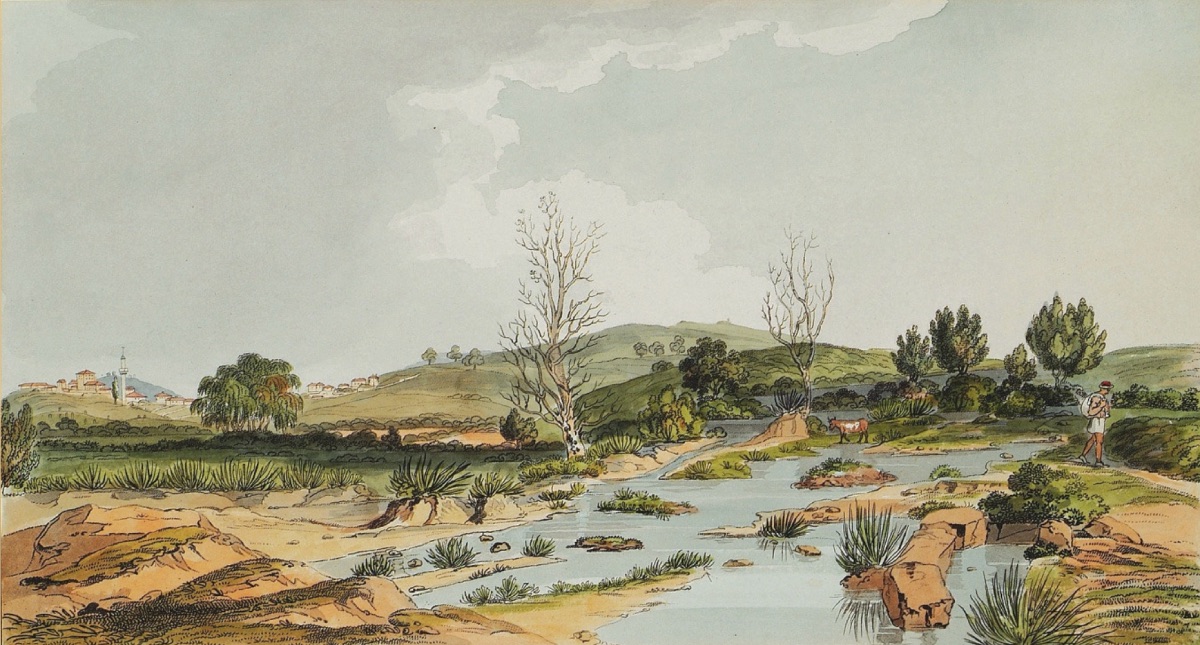
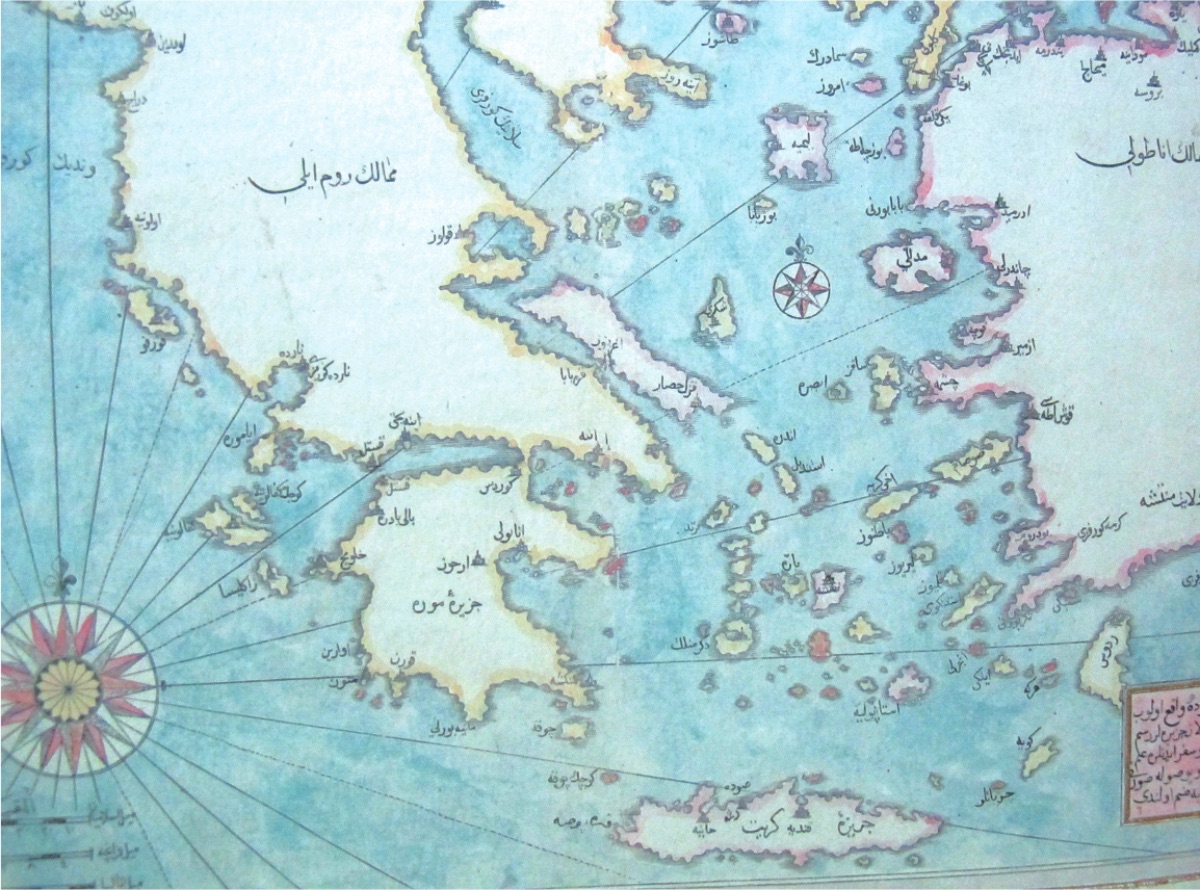
Çanakkale Through the Eyes of Travellers is an ambitious yet equally challenging subject. This is because the region of Çanakkale has witnessed events that shaped world history, culture, and literature — from prehistoric times to the present day.
The most difficult decision to make at the start of such a research project was to determine the main themes and time periods through which the travellers to this region should be examined.
A review of previous studies revealed that not only for Çanakkale, but also for the Aegean and even the broader Mediterranean region, the most significant point of departure was a city and its legend:
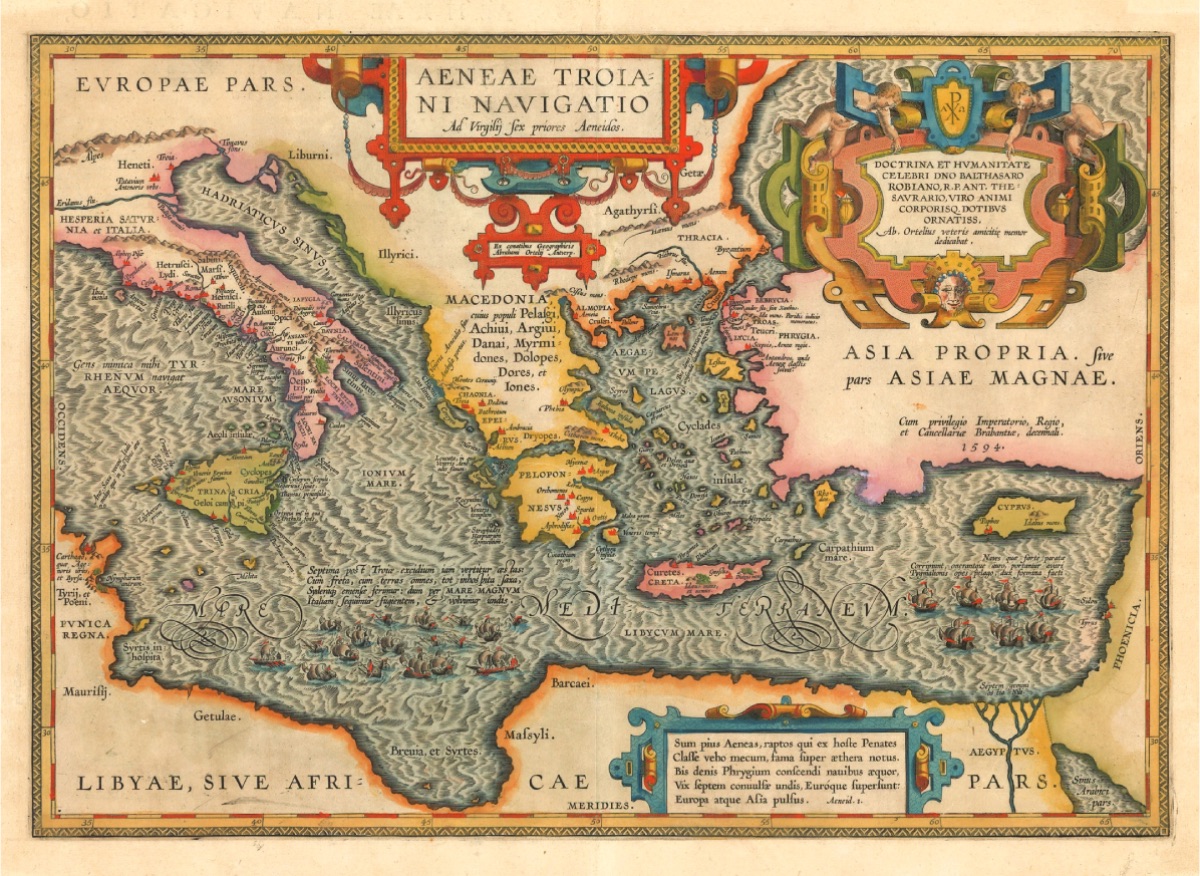
Troy and the Epics of Homer.
Nearly everyone who travelled through the Aegean islands or the straits spoke of Troy and the geography that inspired its story. Choosing where to begin was therefore not easy. I chose that “eternal city” as the starting point. From the year 1103 to 1913 — over a span of more than 800 years — I compiled a selection of travellers who left their marks in the waters and on the soil of Çanakkale.
While doing so, I also tried to include memories and anecdotes that brought the city itself into focus. First, I reviewed all previously published works about Çanakkale in Turkish and used the existing translations wherever available. Additionally, selected passages from English, German, Dutch, and French sources (with particular assistance in the latter two languages) were translated into Turkish.
The prominent themes that emerged throughout this 800-year period can be summarized as follows:
- From Bozcaada to the strait, Troy and its legends invariably found a place in the recollections of almost every traveller.
- The currents and winds of the Dardanelles were the most defining elements of sea voyages.
- The perception of Turks within the Ottoman lands, and how it shifted before and after the conquest by Sultan Mehmed the Conqueror, could be clearly traced.
- The Philhellenist admiration for Greek culture became especially prominent in the European mindset starting in the 17th century.
- Ancient artifacts from the Çanakkale region were plundered and taken abroad under the influence of this Philhellenist passion — often recklessly, and beginning at traceable points in time.
- Ruins from antiquity were transported from the region to be reused as spolia in the construction of new structures elsewhere.
- European travellers narrated stories and legends about the Çardak and Gallipoli areas — the first points where Turks crossed into Europe — from their own cultural perspectives.
- The region's ethnic composition evolved and changed over time, as observed in the records.
- Certain old place names were consistently used by the travellers. Because of this, the original names cited by each traveller are given in parentheses alongside the modern equivalents in the translations.
I would like to extend my heartfelt thanks to those who supported and contributed to this project at various stages. Without the assistance of Wendy Rigter in translations, Hüdai Süha Can in text editing, Fecri Polat in preparation, and Hakan Yeleş in layout design, this book could not have been completed. But most of all, I am deeply grateful to Murat Kıray for making its publication possible.
Rüstem ASLAN
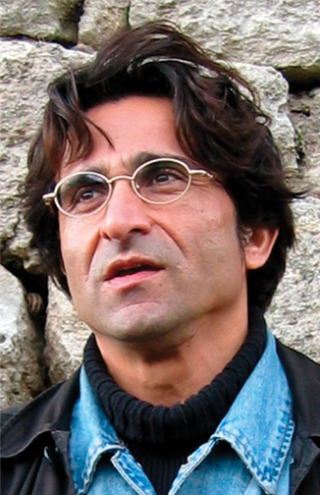
Prof. Dr. Rüstem ASLAN
Rüstem Aslan was born in Sivas. He graduated from the Istanbul University, Dept. of Prehistory, and obtained his Ph.D. in 2006 in Prehistoric Archaeology, in University of Tübingen (Germany), studying with M. Korfmann. He then launched into his academic career at the Çanakkale Onsekiz Mart University (Turkey) and currently continues to teach as professor. Since 1988 he has been member of excavations team at Troy, and between 2007 and 2011 he directed a survey project on theTroad that focused on recording and mapping the Bronze Age Settlements System around Troy. In 2013 he became director of the Troy Excavation in northwest Turkey. His recent seminars have dealt with archeological topography of the Troad and the Archaeology of Troy. He has publishedover 100 scientific papers and 12 books.