
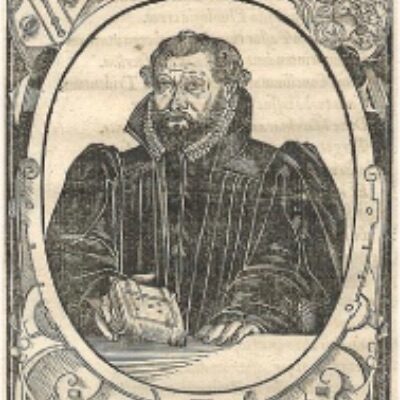
Stephan Gerlach arrived in Istanbul in 1573 as a Protestant preacher assigned by the Austrian embassy. His diary, which he kept during his time in Turkey, was published by his grandson in Frankfurt in 1674. Gerlach observed and noted Istanbul life in great detail, particularly focusing on the Ottoman ruler, the dynasty, and the political decisions of the palace. He also noted what he heard about places outside of Istanbul. Gerlach's information about the Çanakkale region is quite brief and consists of second-hand information. The place he describes as Troy is, as some travelers of that period did, accepting other ruins as Troy. The region Gerlach describes as the Troy area is the settlement where the ruins of Zizikum, Kyzikos are located. However, Gerlach's description is actually a result of the medieval belief that Troy was spread across the entire Troas:
"On January 4th, our two stewards, Volkart, a Greek priest, Mr. Simmich's servant, cook Friedrich, and table servant Jacob went together to Palorma to buy wine and purchased wine for about 500 talents. In this case, the price of a measure of wine comes to three Kreutzer. It took them eight hours to enter Palorma from Constantinople. In this settlement, Greeks and Italians are in the majority, with very few Turks. From there, they continued on their way and arrived at Troy half a day later (According to what they said, this region is called Zizikum) and examined its location, the fortress, and the underground buildings.
According to their accounts, the walls were so skillfully constructed that the joints of the stones were not noticeable, giving the impression that they were made of a single stone. They also found marble stones of various colors and extraordinarily large marble columns there. Near Troy, there was a very beautiful plain, and underground, there were very long and wide rooms, spaces, and corridors made of stones...
Today, my honorable master, we welcomed into our residence two former captives who, after serving their masters near the city of Troy in Anatolia for many years, received their letters of emancipation."